Emergency roof repair tools for Cumming, GA
Picture this: Saturday afternoon thunderstorm rolls through Cumming, and suddenly you're hearing drips where there shouldn't be any. Or maybe it's 3 AM and that loose shingle you've been meaning to fix just became a gaping hole courtesy of Georgia wind gusts. When your roof needs help RIGHT NOW and the professionals won't be available until Monday, having the right emergency tools can save your ceilings, your belongings, and your sanity. Here's the reality check: emergency roof repairs aren't about perfection - they're about buying time. You're not rebuilding the whole roof; you're stopping water damage until proper repairs can happen. The tools below are battle-tested by Cumming homeowners who've faced everything from surprise hail to falling pine branches, and they work when you need them most. Why this list matters for Cumming folks: Georgia weather doesn't follow the calendar. We get ice storms in March, tornadoes in November, and those legendary summer storms that can drop golf ball hail in minutes. These tools handle our specific weather while being simple enough for any homeowner to use safely. Stock up now, store them dry, and sleep better knowing you're ready when Mother Nature decides to test your roof at the worst possible moment.
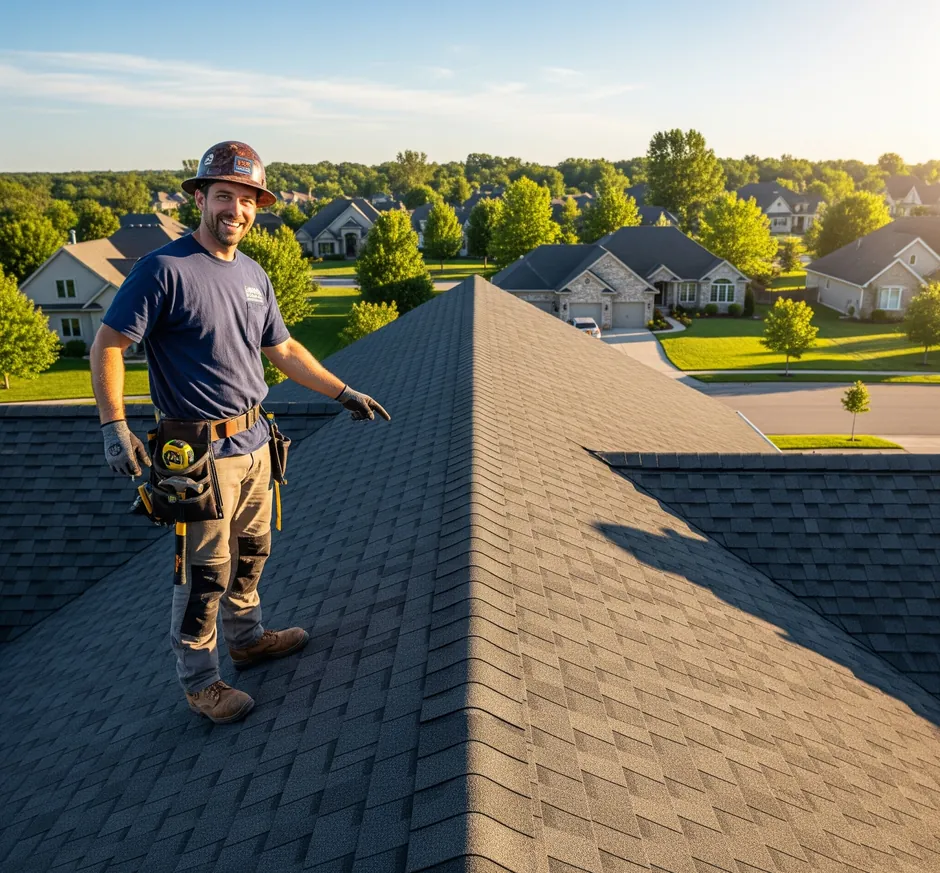
Immediate leak stopping - first 30 minutes
The priority: stop water from getting inside your house right now. When you discover an active leak during a storm, you have maybe 30 minutes before water damage gets serious. Your first job isn't fixing the roof - it's controlling the water. Inside the house, move furniture and electronics away from the leak area and set up Rubbermaid Commercial Bucket 10 Qt to catch drips. If water is pooling on a flat ceiling, carefully poke a small hole at the lowest point with a screwdriver to control drainage - this prevents a bigger ceiling collapse later. For multiple drips, use Plastic Drop Cloths 9x12 ft to funnel water toward one collection point. If the leak is coming from obvious roof damage you can see from the ground, and you absolutely must get on the roof, wait until wind dies down and use proper safety equipment. Apply Henry Wet Patch Roof Cement directly over the damaged area with a Putty Knife 4 inch, working it into cracks and around loose materials. This isn't pretty, but it stops water immediately and gives you time to plan proper repairs.
Temporary tarp installation for large damage
When storm damage is too big for roof cement alone. If you're looking at missing shingles across a large area or actual holes in the roof deck, you need a tarp system that will hold until professional help arrives. Start with a B-Air Grizzly Tarp 20x30 ft - this size covers most residential damage and has enough extra material to anchor properly. The key to tarp installation is getting it positioned so water flows off rather than pooling. Extend the tarp at least 3 feet beyond the damaged area on all sides, and make sure the upper edge goes over the roof peak if possible - water that gets under the tarp defeats the purpose. Secure the tarp using Grip-Rite Roofing Nails 1.25 inch through Plastic Washers every 12 inches along undamaged shingles - never nail through the tarp itself. For edges that can't be nailed, use Sandbags 14x26 inch or tie down with Koch Industries Poly Rope to existing gutters or other solid anchor points. Check the tarp daily and retighten as needed - wind and temperature changes will cause it to shift.
Quick shingle replacement for small areas
Replacing a few missing shingles before the next rain. When you've lost 3-4 shingles in a small area, replacement is often faster and more effective than tarping. You'll need Replacement Shingles that reasonably match your existing roof color - they don't have to be perfect for emergency repairs. Start by cleaning debris from the exposed area and checking that the underlying roof deck is solid. Slide the new shingle into position, matching the reveal pattern of surrounding shingles. Secure each shingle with four Grip-Rite Roofing Nails positioned about 6 inches from the bottom edge and 1 inch from each side. If you're working in windy conditions, add a dab of Roof Cement under each corner to help the shingle lay flat immediately. For damaged shingles that are only partially torn, you can often make temporary repairs by applying roof cement under the loose sections and pressing them back down, then securing with additional nails if the material is still sound. Work systematically from bottom to top so each shingle overlaps properly, and don't rush the process - a properly installed emergency shingle can protect your roof for months until permanent repairs are scheduled.
Flashing and penetration repairs
Sealing around chimneys, vents, and other roof penetrations. Flashing failures cause more emergency leaks than damaged shingles, and they're often easier to fix temporarily with the right materials. EternaBond MicroSealant Tape is perfect for this - it sticks to wet metal, old caulk, and even slightly dirty surfaces that would defeat regular repair materials. Clean loose debris from the area with a Wire Brush, but don't worry about getting it perfectly clean. Cut the tape 2 inches longer than the repair area on each side, remove the backing, and press it firmly over the leak source. Work out air bubbles with a Plastic Spreader or your thumb. For vent penetrations that are leaking around the base, wrap the tape around the entire circumference, overlapping the ends by at least 2 inches. Around chimney bases where flashing meets roofing, run tape along the entire joint, pressing it well into corners where water typically concentrates. This tape forms a permanent waterproof seal that can last for years, making it an excellent temporary fix that might become permanent. For larger gaps or holes around penetrations, fill them first with Expanding Foam Sealant, let it cure, then trim flush and cover with tape for a watertight repair.
Emergency safety equipment and procedures
Staying safe during urgent roof repairs. Emergency roof work is inherently dangerous because you're often working in bad weather, poor visibility, or when you're stressed and making quick decisions. Never attempt roof work during active storms, in high winds over 20 mph, or when surfaces are icy - no repair is worth serious injury. Basic safety equipment includes a Werner Roof Safety Kit with harness and rope, Non-Slip Work Boots with good tread, and a LED Headlamp for hands-free lighting. Always have someone else present who can call for help if needed, and establish communication before starting work. Keep a Cell Phone in Waterproof Case accessible at all times. Plan your route on and off the roof before starting, and always have three points of contact when moving around. Store emergency tools in a Weather-Resistant Tool Box in an easily accessible location - you don't want to be hunting for tools when time matters. Include a First Aid Kit with your emergency supplies and know basic treatment for cuts and minor injuries. If conditions seem unsafe or you're not confident about the repair, focus on damage control from inside the house and wait for professional help - emergency repairs aren't worth emergency room visits.
Organizing your emergency repair kit
Having the right tools ready when minutes matter. The best emergency repair tools are useless if you can't find them quickly when disaster strikes. Organize everything in a Large Tool Bag with Pockets or Wheeled Storage Container that's stored in an easily accessible location like the garage or basement. Label sections clearly: safety equipment, temporary materials, fasteners, and hand tools. Include a Waterproof Flashlight and Extra Batteries because emergencies don't wait for daylight. Keep basic hand tools together: Claw Hammer 16 oz, Utility Knife with Extra Blades, Measuring Tape 25 ft, and Adjustable Wrench Set. Store adhesives and sealants in a separate Sealed Container to prevent them from drying out or freezing. Check your emergency kit twice a year - replace old materials, verify that everything is still functional, and update any items that have been used. Include simple instruction cards with basic repair procedures, because when you're stressed and it's dark, having step-by-step reminders helps ensure you don't miss important safety or effectiveness steps. Consider keeping a backup Emergency Repair Manual with your tools for reference during complex situations.
Be ready before the next Cumming storm hits
Don't wait until you're standing in your living room with a bucket, wishing you had the right tools to stop that leak. Stock up now with these emergency repair essentials, and you'll be ready when Georgia weather decides to test your roof. **Remember: these tools buy you time for proper professional repairs - they're not permanent solutions.** When the emergency is handled and you need quality repairs that will last, give us a call.
Shop Emergency Tools on Amazon